
Most traders don't lose money due to bad ideas. They are losing it due to late exits, panic and broken rules. Algo trading software resolves this by making trades automatically and just as your strategy dictates. You will discover in this guide how it works, which features are involved, the comparison of the top 10 platforms and how to get started safely.
What Is Algo Trading Software?
Algo trading software is an automated trading tool that follows a set of rules to purchase and sell securities. They can range from such a simple strategy as “buy when the price moves above/below a moving average” to a complex multi-leg options strategy. When the conditions are equal, once it is sent the software sends the order without you clicking anything.
Top 10 Algo Trading Software Compared
The tools below cover everything from beginner-friendly visual builders to developer-grade APIs. Use the table to shortlist two or three options, then test them with paper trading before going live.
|
Software |
Best For |
Coding Needed? |
Key Strength |
|
|---|---|---|---|---|
|
1 |
Tradetron |
Strategy marketplace and multi-broker use |
No |
Large library of ready strategies |
|
2 |
Streak (by Zerodha) |
Beginners on Zerodha |
No |
Simple visual strategy builder |
|
3 |
AlgoTest |
Options backtesting |
No |
Fast options strategy backtests |
|
4 |
uTrade Algos |
Options traders |
No |
Pre-built options strategies |
|
5 |
AlgoBulls |
Beginners to intermediate traders |
Optional |
Backtest, paper trade and live trade flow |
|
6 |
Quantman |
Retail algo trading |
No |
Quick strategy deployment |
|
7 |
Zerodha Kite Connect |
Developers |
Yes |
Flexible, well-documented API |
|
8 |
Angel One SmartAPI |
Developers and Python users |
Yes |
Free API access for clients |
|
9 |
Fyers API |
Advanced and API-first traders |
Yes |
Developer-friendly platform |
|
10 |
MetaTrader 5 |
Forex and global markets |
Yes (MQL5) |
Mature ecosystem of Expert Advisors |
How Algo Trading Software Works
There are three steps to the process. Firstly, you establish entry and exit and the rules for taking risk. Second, the software monitors the current market situation and issues a signal if any of the conditions are satisfied. Third, it communicates with your broker via API and the broker passes each order on to the exchange.
Algo Trading vs Manual Trading
Manual trading requires your mind and mind. Algo trading is based on discipline and quickness. It can be used to monitor numerous instruments simultaneously, and it will instantaneously respond to your stop-loss each time. The drawback is that if the strategy is flawed, then it will fail on a consistent basis, and testing becomes important.
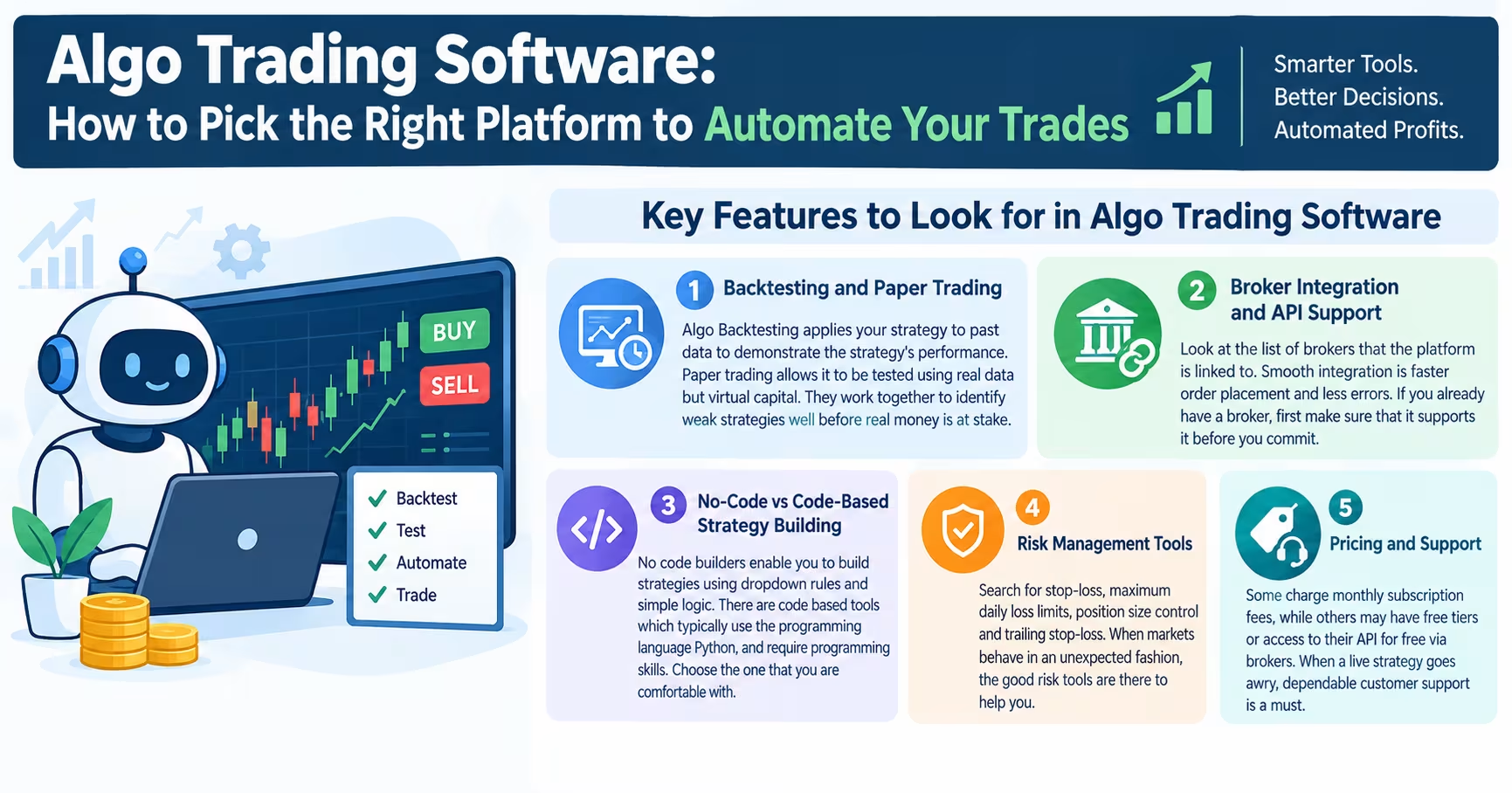
Key Features to Look for in Algo Trading Software
Backtesting and Paper Trading
Algo Backtesting applies your strategy to past data to demonstrate the strategy's performance. Paper trading allows it to be tested using real data but virtual capital. They work together to identify weak strategies well before real money is at stake.
Broker Integration and API Support
Look at the list of brokers that the platform is linked to. Smooth integration is faster order placement and less errors. If you already have a broker, first make sure that it supports it before you commit.
No-Code vs Code-Based Strategy Building
No code builders enable you to build strategies using dropdown rules and simple logic. There are code based tools which typically use the programming language Python, and require programming skills. Choose the one that you are comfortable with.
Risk Management Tools
Search for stop-loss, maximum daily loss limits, position size control and trailing stop-loss. When markets behave in an unexpected fashion, the good risk tools are there to help you.
Pricing and Support
Some charge monthly subscription fees, while others may have free tiers or access to their API for free via brokers. When a live strategy goes awry, dependable customer support is a must.
Who Should Use Algo Trading Software?
Beginners
The easiest starting point are no-code platforms that have pre-made strategies. Learning about automation can be done without any coding.
Active and Options Traders
For frequent traders and those who execute multiple-leg option trades, deep back testing and quick execution (speed) can save time and minimise errors.
Developers
Broker APIs allow you to create custom strategies, integrate your own data and scale your operations as you expand your business if you are familiar with Python or other programming languages.
Is Algo Trading Legal and Safe in India?
Yes, Algo trading is legal in India, but it is under the regulatory framework of SEBI and the trading rules of exchanges. SEBI has increased the retail trading requirements, so always check out the latest circular and verify compliance of your broker and platform.
You are as important as the rules in determining safety. Typical pitfalls are over-optimistic backtests that fail to perform in real market conditions, technical errors and slippage. Paper trading first, then testing it out with small money and raising that money only when there are consistent gains.
How to Choose and Compare Brokers for Algo Trading
A great software package is only a great deal as great as the broker putting it together. There are a number of factors that influence your results, such as brokerage fees, API stability, order execution speed and uptime. A cheap and shoddy API can cost much more than it's worth. For comparison of brokers who offer API support and algo trading, visit thetopstockbroker and shortlist the suitable brokers for you and your strategy and budget.
Conclusion
The right algo trading software depends on your skill level, strategy and broker. Pick a platform that fits how you trade, backtest thoroughly, paper trade before going live, and start small.